

Every need has its link with the microbiome.
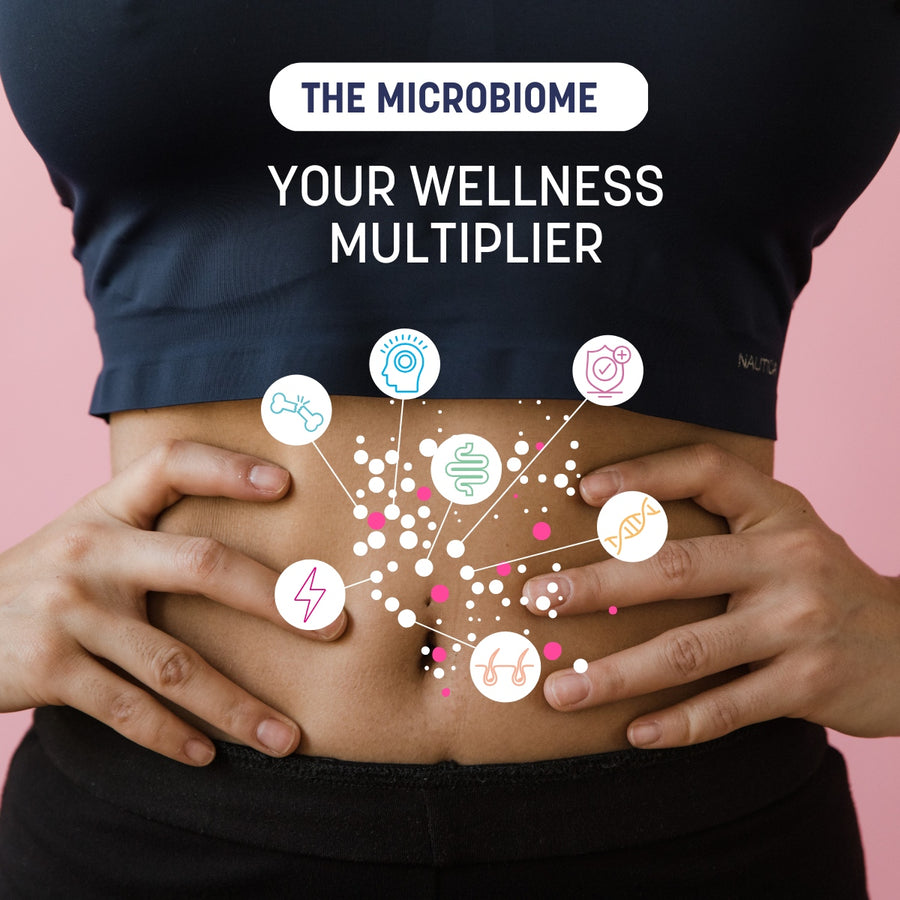
Your gut microbiome is involved in digestion, energy, stress, nutrient absorption and much more. Our approach starts from your need, looks for the microbiome link behind it, and builds each formula around both.
Three steps behind every formula
Start from one need
Stress, fatigue, digestion, cravings, women's needs: each formula targets one need instead of promising everything.
Find the microbiome link
We look at how the gut and its microbiome take part in that need: gut-brain axis, nutrient absorption, gut barrier, glucose metabolism.
Choose ingredients on data
Strains identified down to strain level, branded actives studied at the dose we use, and nutrient forms the body absorbs well.
Where the gut makes the difference
A few examples of links between your gut and your wellbeing, and how we use them.
The gut-brain axis
500 millionneurons line your gut, in constant communication with the brain, notably via the vagus nerve. Gut bacteria produce compounds that take part in this dialogue, which is why stress is often felt in the belly too.
Discover the formula →Everything goes through the gut
90%of nutrients are absorbed in the gut. A supplement is only useful if its nutrients are actually absorbed: the form of each nutrient and the state of the gut both count.
Discover the formula →Magnesium forms
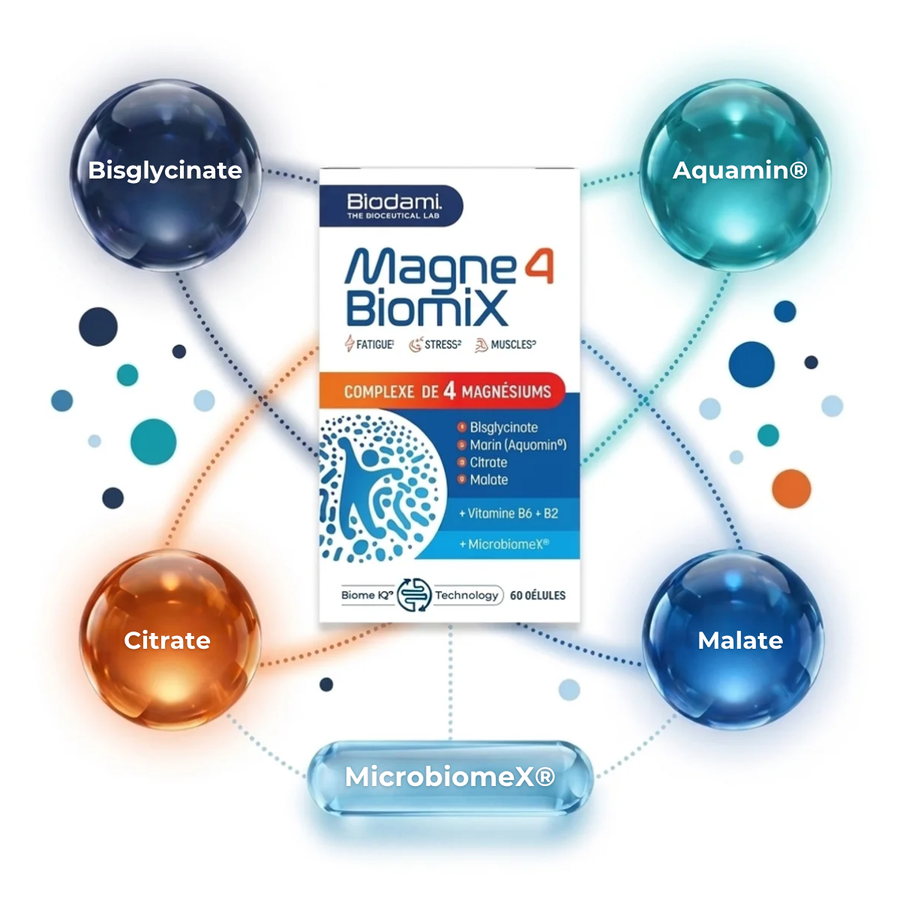
4 formsNot all magnesium is equal: bisglycinate, marine, citrate and malate differ in how they are absorbed and tolerated. Combining them, with a citrus extract that feeds the gut microbiome, prepares the ground for absorption.
Discover the formula →The gut barrier
32 m²of surface, a single layer of cells thick. Butyrate, produced by some gut bacteria from fibres, is its main fuel.
Discover the formula →Glucose response
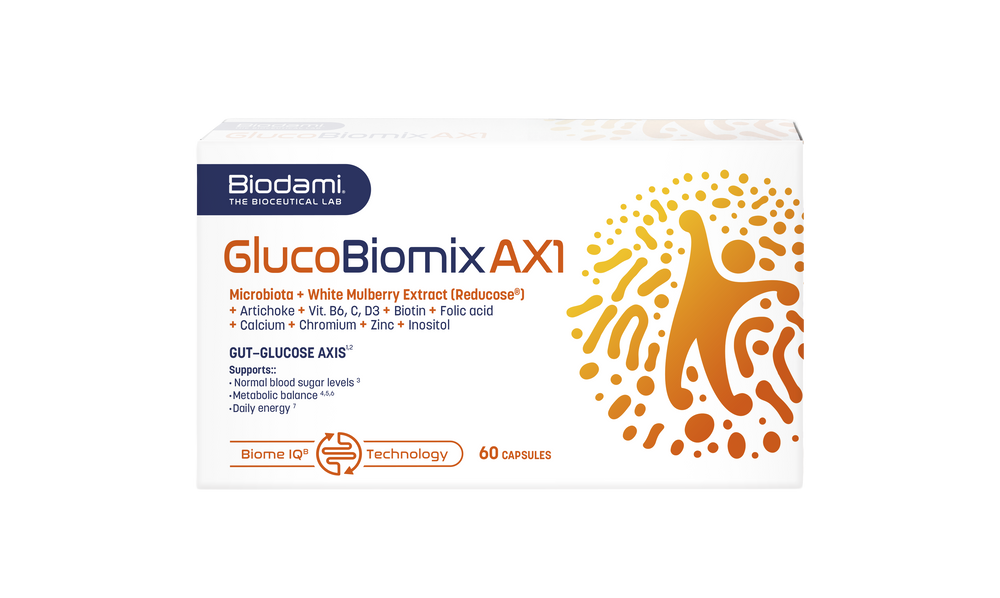
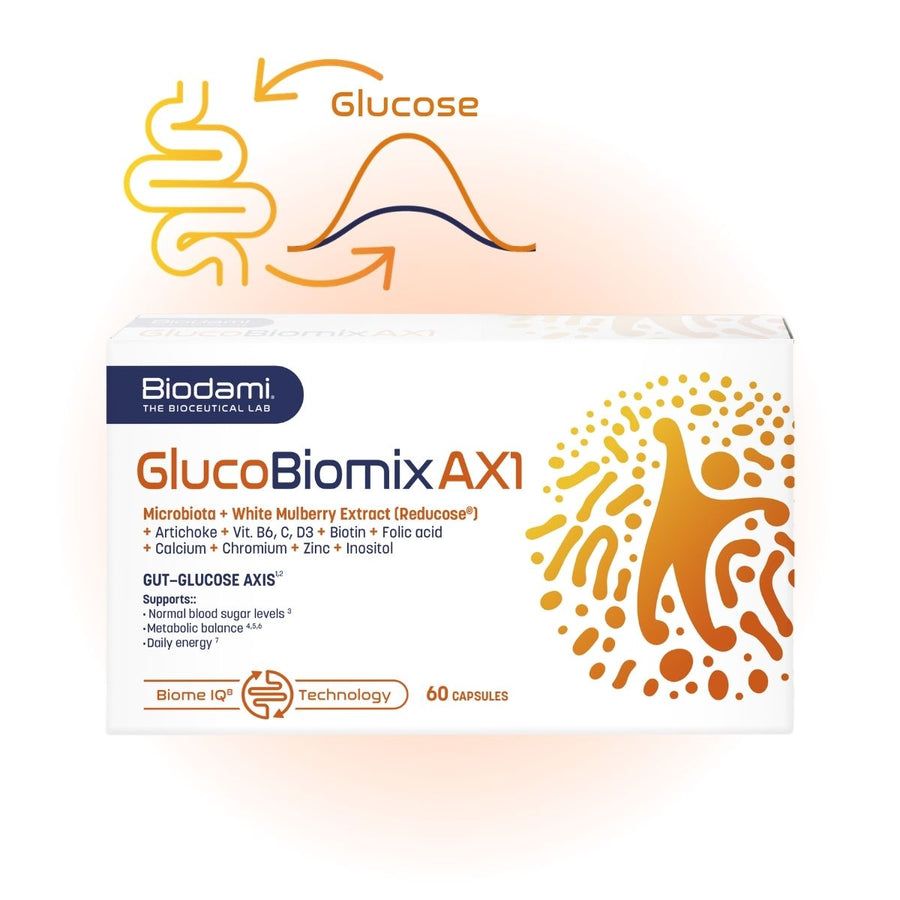
2 his roughly how long blood sugar takes to come back down after a carbohydrate-rich meal. The gut, where carbohydrates are broken down and absorbed, sets the pace of that curve.
Discover the formula →Women's wellbeing
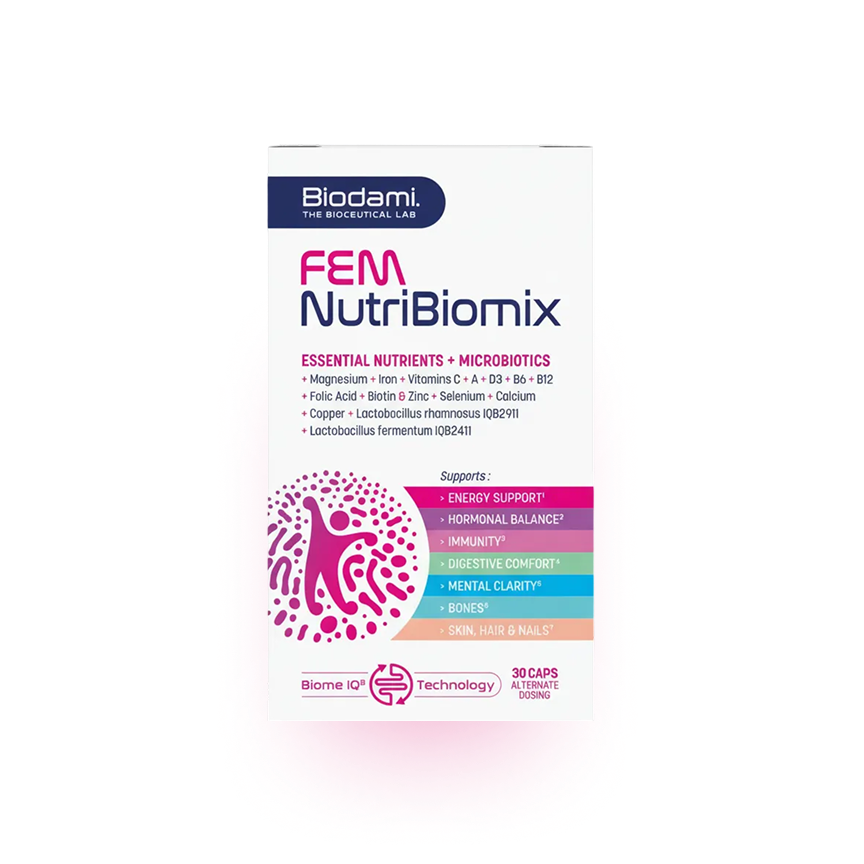
13vitamins and minerals cover needs that vary through the month. Part of the gut microbiome, called the estrobolome, is also involved in how the body processes certain hormones.
Discover the formula →KSM-66® ashwagandha: less cortisol, less perceived stress
KSM-66® is a full-spectrum ashwagandha root extract, one of the most studied adaptogens. In a randomised, double-blind trial, 64 adults with chronic stress took 600 mg a day or a placebo for 60 days [11].
serum cortisol, versus -8% with placebo [11]
perceived stress score (PSS), versus -5.5% with placebo [11]
Study on the ingredient, not on our finished formula.
KSM-66® is a trademark of Ixoreal Biomed Inc.
See the formulaReducose®: a gentler glucose curve after a sugary intake
Reducose® is a mulberry leaf extract standardised in DNJ, a natural compound that slows down the breakdown of carbohydrates in the gut. In a randomised, double-blind crossover trial, healthy adults took 250 mg with a 75 g sugar drink, or a placebo [9].
post-meal blood glucose peak versus placebo [9]
post-meal insulin peak versus placebo [9]
Study on the ingredient, not on our finished formula.
Reducose® is a trademark of Phynova Group Ltd.
See the formulaMicrobiomeX®: it supports the bacteria that produce butyrate
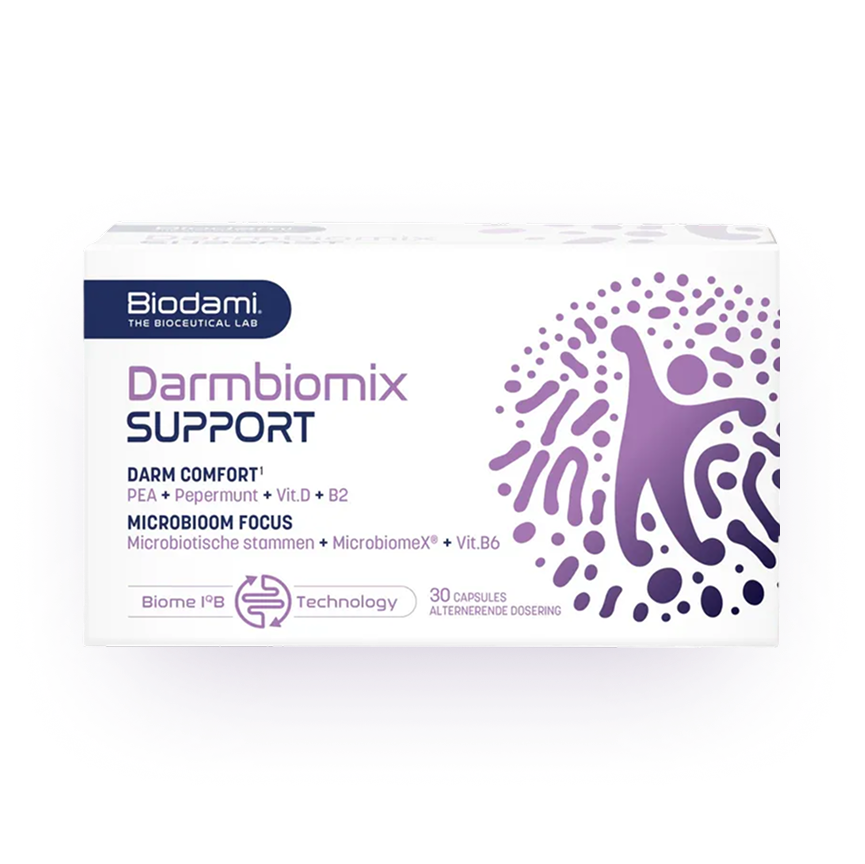
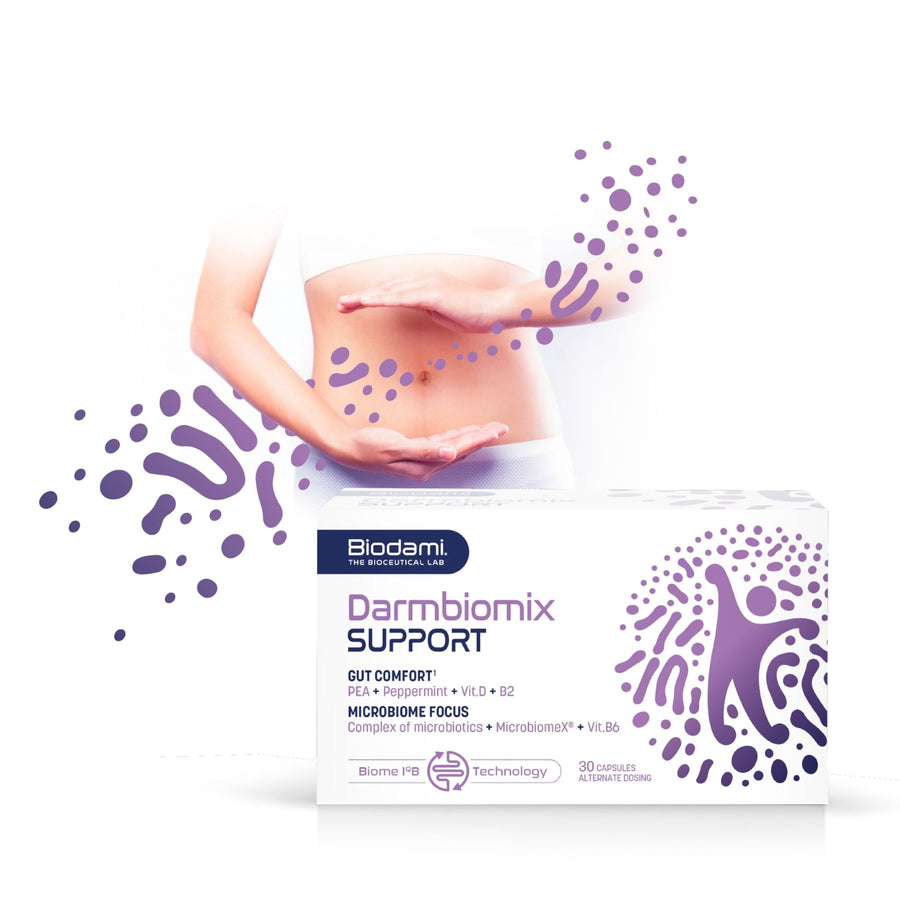
MicrobiomeX® is a citrus extract rich in hesperidin and naringin. These flavonoids reach the colon almost intact, where gut bacteria transform them. In return, they support the bacteria that produce butyrate, the main fuel of the cells lining the gut. In a gut simulator, butyrate-producing bacteria of the Clostridium cluster XIVa increased after 3 weeks [12].
In a randomised, double-blind trial, 50 adults took 500 mg a day or a placebo for 12 weeks: the share of butyrate among short-chain fatty acids rose with MicrobiomeX® and fell with placebo [10].
higher share of butyrate than with placebo after 12 weeks, in a double-blind trial in 50 adults (p = 0.022) [10]
butyrate produced by gut bacteria in a laboratory model of the colon (TIM-2), versus control [10]
Study on the ingredient, not on our finished formula.
MicrobiomeX® is a trademark of BioActor B.V.
See the formula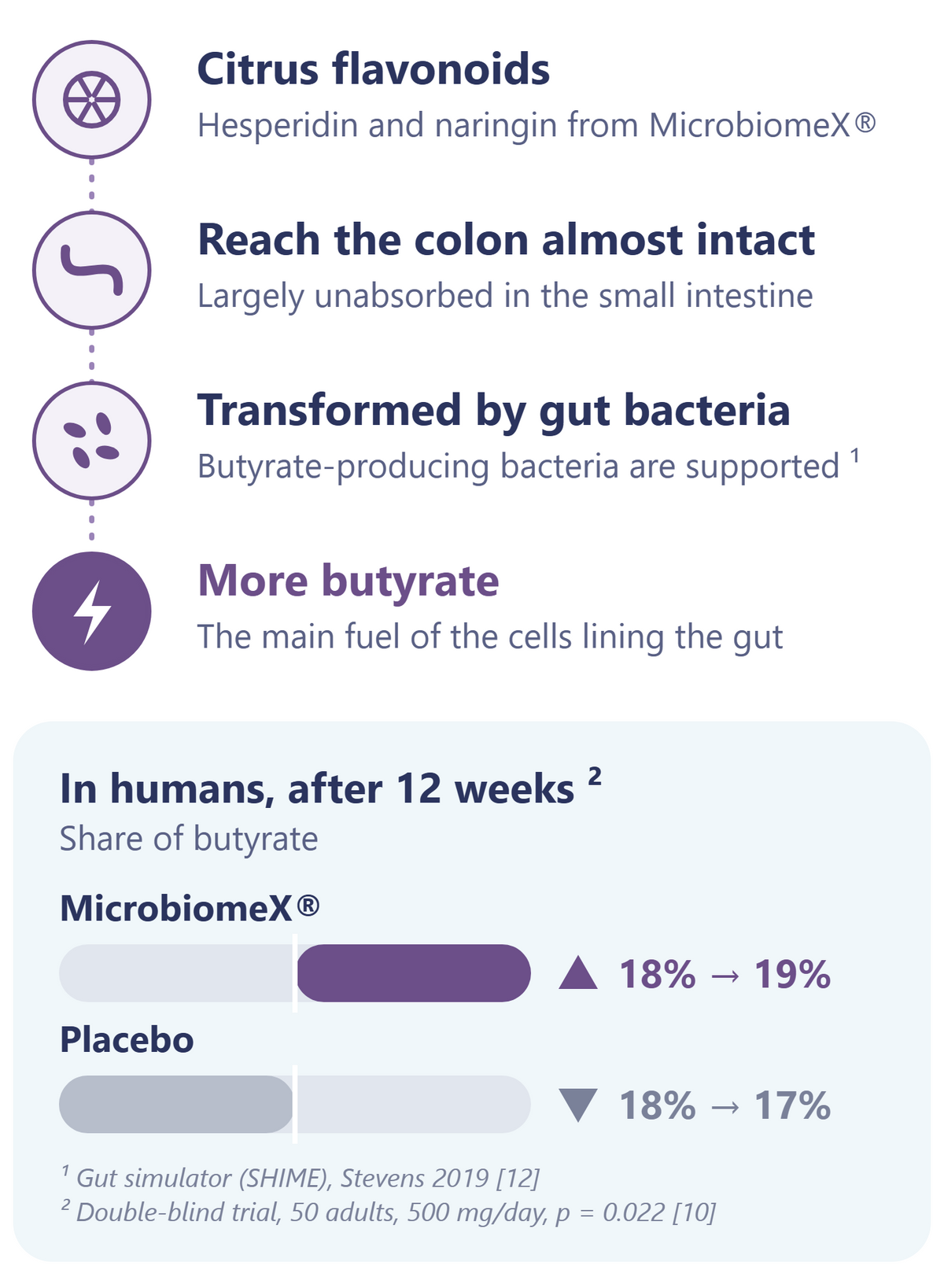
Better absorbed iron, gentler on the gut
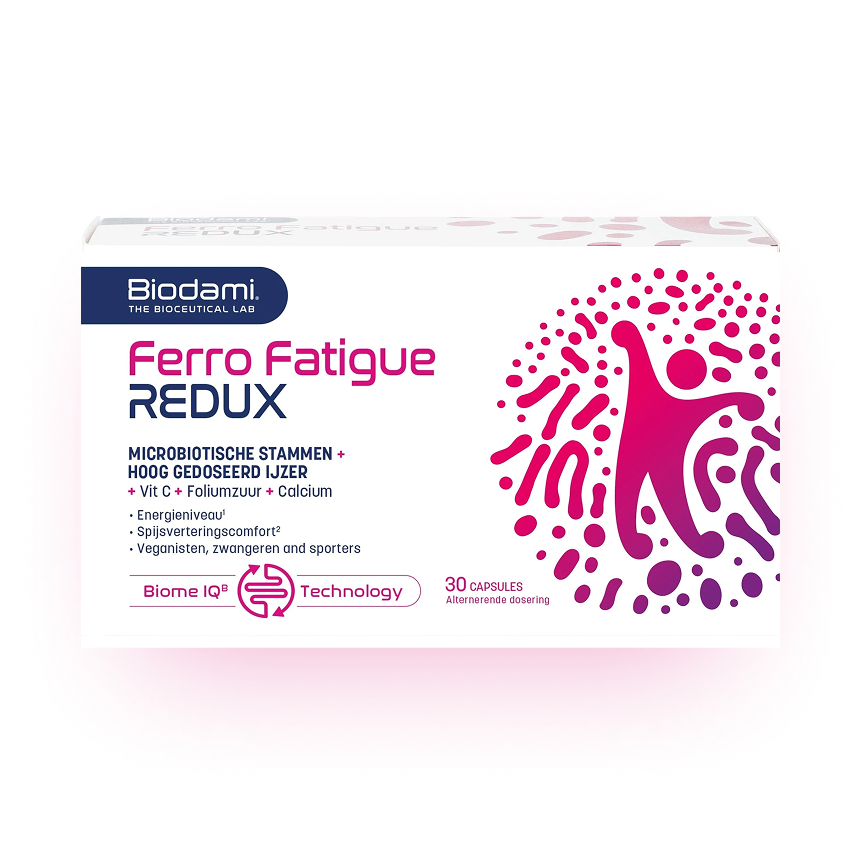
Iron that is not absorbed stays in the gut, where it can unbalance the microbiome and cause digestive discomfort. Hence our combination: a well-tolerated form of iron, iron bisglycinate (Ferrochel®) [5,6], with vitamin C, folic acid and two selected probiotic strains.
The strain L. fermentum IQB 2411 lowers the pH and helps convert iron into its soluble form (Fe2+), which is easier to absorb [4].
iron absorption versus iron sulphate [3]
versus iron bisglycinate alone [3]
Laboratory study (in vitro model of intestinal absorption) conducted with the University of Cluj-Napoca. Data on file.
Ferrochel® is a trademark of Balchem Corporation (Albion® Minerals).
See the formulaOne day on, one day off
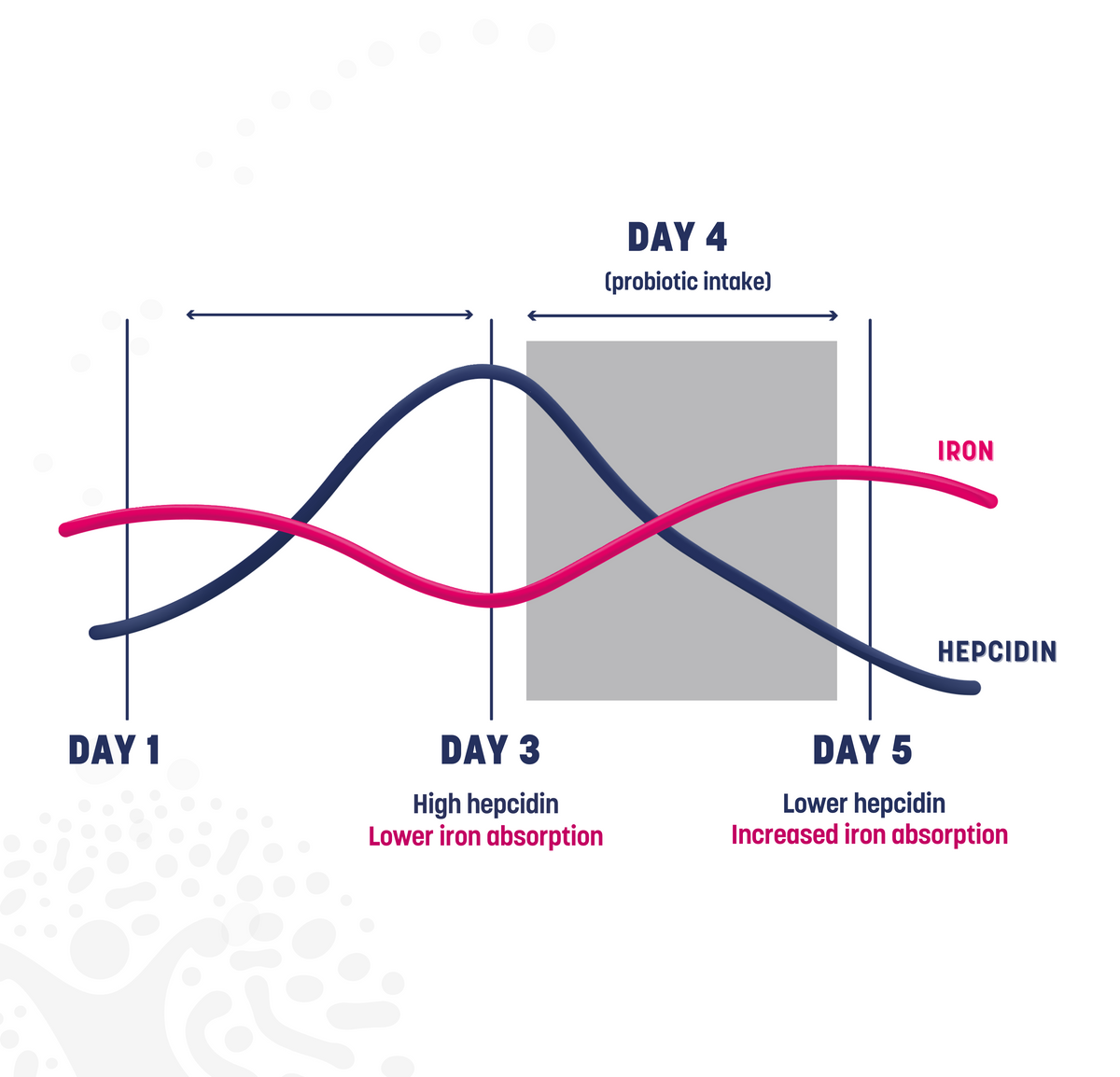
Studies in women show that iron taken every other day is absorbed better than iron taken every day, while limiting the amount of unabsorbed iron that reaches the gut [1,2].
iron absorbed with alternate-day intake versus daily intake [1,2]
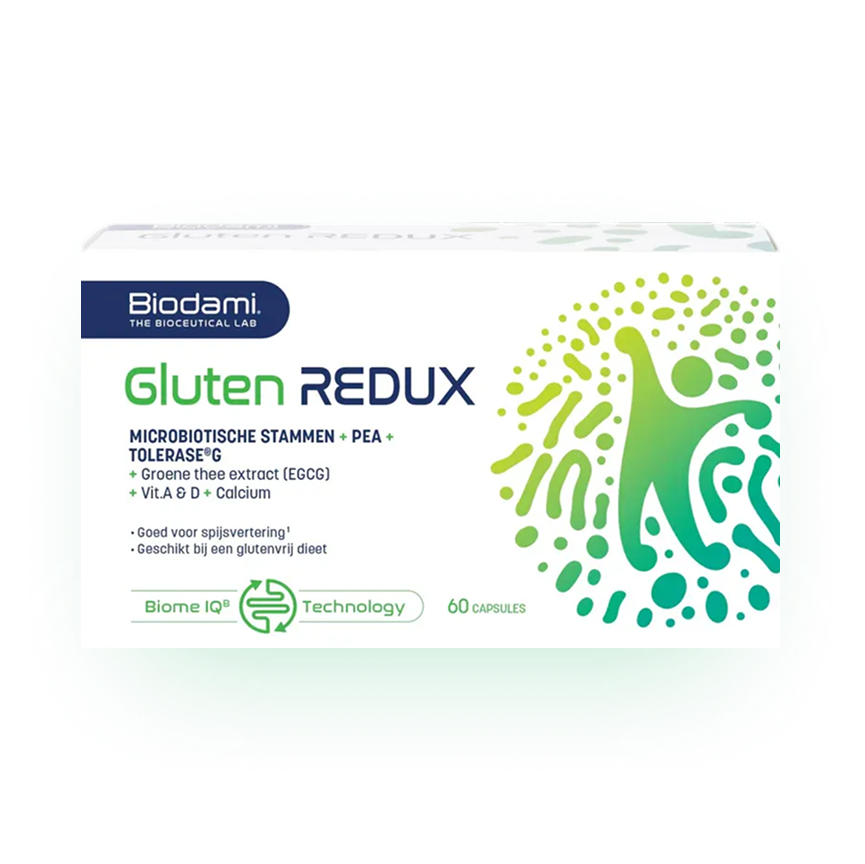
A multi-target approach to gluten-related discomfort
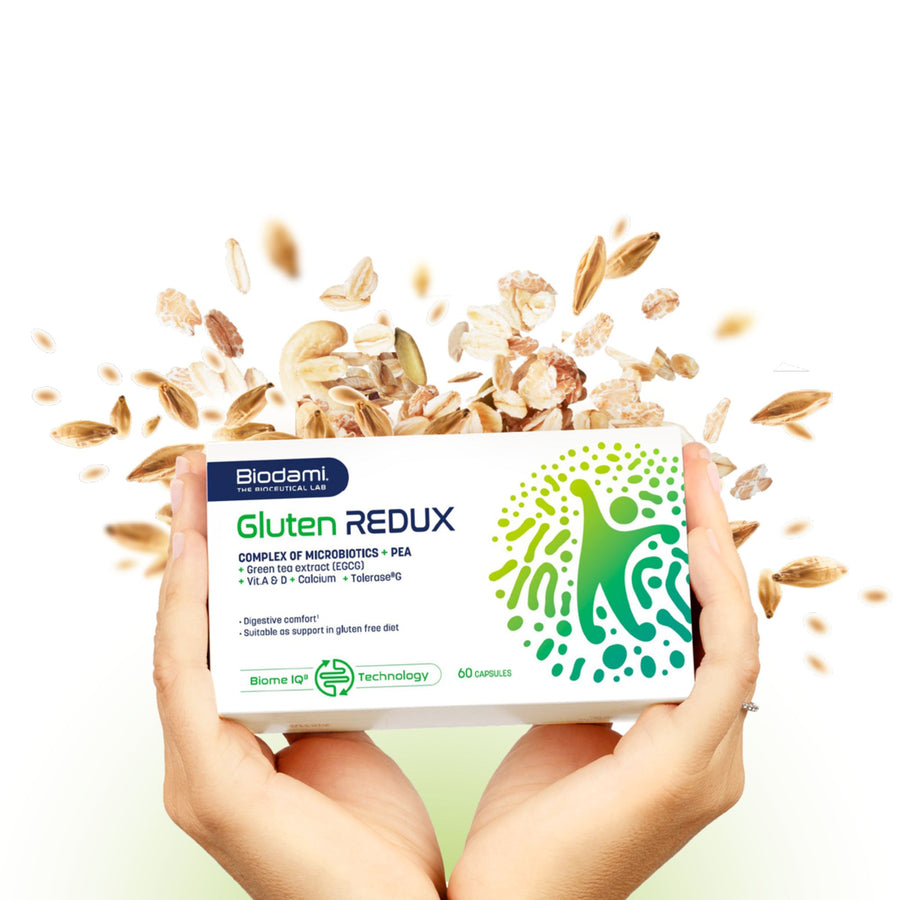
Gluten is rich in gliadins, proteins the body cannot fully digest. In sensitive people, their fragments can trigger reactions in the gut. Our approach combines an enzyme that breaks gluten down early, already in the stomach, with two selected strains.
gluten in the stomach with Tolerase® G versus placebo, depending on the dose [8]
gluten reaching the small intestine (duodenum) in the same study [8]
Bifidobacterium longum IQB 2901 and B. breve IQB 0611, studied in the laboratory against the inflammatory effects of gliadin fragments
A supplement does not replace a gluten-free diet for people who need one.
Tolerase® G is a trademark of dsm-firmenich.
See the formulaOne formula per need. The microbiome at the heart of each.



References
- Stoffel N.U. et al. (2017). The Lancet Haematology, 4(11), e524-e533. doi:10.1016/S2352-3026(17)30182-5
- Stoffel N.U. et al. (2020). Haematologica, 105(5), 1232-1239. doi:10.3324/haematol.2019.220830
- In vitro study, University of Cluj-Napoca. Data on file.
- González A. et al. (2017). Food Chemistry, 228, 374-380. doi:10.1016/j.foodchem.2017.02.008
- Pineda O. & Ashmead H.D. (2001). Nutrition, 17(5), 381-384. doi:10.1016/S0899-9007(01)00519-6
- Milman N. et al. (2014). Journal of Perinatal Medicine, 42(2), 197-206. doi:10.1515/jpm-2013-0153
- Salden B.N. et al. (2015). Alimentary Pharmacology & Therapeutics, 42(3), 273-285. doi:10.1111/apt.13266
- König J. et al. (2017). Scientific Reports, 7, 13100. doi:10.1038/s41598-017-13587-7
- Thondre P.S. et al. (2021). Nutrition & Metabolism, 18(1), 41. doi:10.1186/s12986-021-00571-2
- Maurer Sost M. et al. (2023). Foods, 12(18), 3413. doi:10.3390/foods12183413
- Chandrasekhar K. et al. (2012). Indian Journal of Psychological Medicine, 34(3), 255-262. doi:10.4103/0253-7176.106022
- Stevens Y. et al. (2019). Nutrients, 11(7), 1464. doi:10.3390/nu11071464