Aging doesn’t just bring wrinkles, it’s a gradual recalibration of internal systems. Hormones like estrogen, progesterone, testosterone, cortisol, and thyroid hormones fluctuate over time, and how gracefully we age depends greatly on how we support these transitions.
One of the most powerful ways to do that? Ensuring we get the right nutrients daily.
🔄 What Happens to Hormones as We Age?
Women’s hormones are cyclical by nature. But with age, we move through predictable biological phases:
👉🏻 20s–30s: Regular cycles, peak fertility. Estrogen and progesterone fluctuate monthly.
👉🏻Late 30s–40s (Perimenopause): Progesterone declines, estrogen becomes erratic
👉🏻 50s+ (Menopause): Estrogen and progesterone drop significantly.

🔬 How Key Nutrients Support Hormones & Healthy Aging
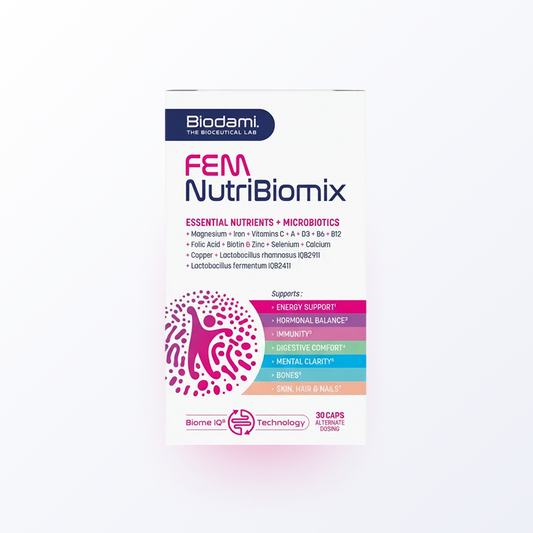
🌸 Biotin (Vitamin B7)
Acts as a coenzyme in fatty acid metabolism and energy production. It supports thyroid function and helps maintain skin and hair health as estrogen declines.
🌿 Folic Acid (Vitamin B9)
Central to methylation — key for detoxifying estrogen and regulating neurotransmitters. Folic acid plays an important role in a natural process in your body called methylation. This process helps your liver break down and eliminate excess estrogen, and it also supports the production of mood-regulating brain chemicals like serotonin and dopamine.
Folic acid also works with B12 and B6 to support hormone clearance and mood stability.
🔠 Vitamin B12 (Cobalamin)
Vitamin B12 is essential for DNA synthesis, energy production, and healthy methylation — a process that supports hormone balance and detoxification. It also plays a key role in maintaining a healthy nervous system. As we age, our ability to absorb B12 naturally declines, making consistent intake even more important to support cognitive function, mood, and vitality.
🌟 Vitamin B6 (Pyridoxine)
Vitamin B6 is essential for the synthesis of neurotransmitters like serotonin, dopamine, and GABA — all of which influence mood, sleep, and stress resilience. It also helps regulate hormone receptor sensitivity, ensuring that estrogen and progesterone can bind effectively where needed. In the liver, B6 supports phase II detoxification, where excess estrogen and other hormones are eliminated. Low levels of B6 have been linked to PMS, mood instability, and disrupted sleep, particularly during perimenopause when hormonal fluctuations intensify.
☀️ Vitamin D3
Often referred to as a hormone rather than a vitamin, vitamin D3 binds to receptors on nearly every cell, influencing immune regulation, calcium absorption. It supports estrogen balance by modulating inflammatory pathways and reducing aromatase overactivity (an enzyme that converts androgens to estrogen). With age, vitamin D3 levels drop and particularly in women post-menopause thereby increasing the risk of bone loss, mood disorders and chronic inflammation. Daily vitamin D3 intake is critical for preserving bone density, hormonal harmony and immune function.
👁️ Vitamin A
Vitamin A plays a regulatory role in gene expression, particularly in skin cells, immune cells, and hormone-producing tissues. It is involved in the synthesis of progesterone, a hormone that tends to decline earlier than estrogen during perimenopause. It also supports healthy liver function, which is crucial for metabolizing and clearing hormones. As estrogen declines, skin becomes thinner and more prone to damage. Vitamin A helps counteract this by encouraging collagen production and tissue regeneration.
🧪 Vitamin C
More than just an antioxidant, vitamin C is vital for collagen formation, adrenal gland health, and reducing oxidative stress, all of which become more important with age. The adrenal glands, which produce cortisol and take over estrogen production post-menopause, are rich in vitamin C. It helps buffer the stress response and prevent adrenal burnout. Vitamin C also protects skin from environmental damage, supports immune function, and assists in regenerating other antioxidants within the body, creating a ripple effect of cellular protection.
🔖 Iron
Iron is essential for hemoglobin formation and oxygen transport, which fuel energy production in all cells. It’s also involved in thyroid hormone synthesis, which affects metabolism, mood, and temperature regulation. While menstruating women often risk deficiency due to blood loss, post-menopausal women may require less iron but still need to maintain healthy levels to prevent fatigue, brain fog, and impaired cognitive performance. Iron must be balanced carefully, as both deficiency and overload can disrupt hormonal and cellular balance. Read more about the difficulties of iron absorption and the gut here.
🌈 Magnesium (Citrate)
Magnesium is involved in over 300 biochemical reactions, many of which are directly tied to hormone regulation. It helps calm the nervous system, regulate cortisol (the stress hormone), and balance insulin sensitivity. Magnesium is also known to alleviate menstrual cramps, PMS-related mood swings, and perimenopausal sleep issues. It facilitates the relaxation of muscles and blood vessels and supports neurotransmitter balance making it a foundational mineral for women navigating stress, hormonal changes, and aging.
🔧 Copper
Copper is required for the formation of collagen and elastin, both of which maintain skin strength and elasticity. It plays a role in iron metabolism, ensuring oxygen is efficiently delivered to tissues, and supports the synthesis of dopamine and norepinephrine, which influence mood and focus. Copper also contributes to melanin production — the pigment in skin and hair — and helps maintain vibrant hair color with age. Proper copper balance is crucial for tissue repair, antioxidant defense, and healthy aging.
⛨️ Selenium
Selenium is a potent antioxidant that supports thyroid hormone conversion (T4 to the active T3 form), and helps neutralize oxidative damage through the enzyme glutathione peroxidase. Glutathione peroxidase (GPx) is an important antioxidant enzyme in your body. Its main job is to protect your cells from oxidative damage which is the kind of stress that can lead to aging, inflammation, and chronic disease.
⚖️ Zinc
Zinc supports over 300 enzymes involved in immune health, wound healing, and hormone production. It plays a direct role in regulating estrogen and progesterone(enhances the sensitivity of the receptors, helping it respond effectively. Zinc also supports ovarian function, and is essential for reproductive health. Adequate zinc levels are associated with healthier follicular (egg) development, and better quality. Zinc also influences skin integrity, reduces inflammation, and supports the immune system. Its deficiency has been linked to acne, irregular cycles, and impaired fertility and with aging, zinc helps maintain skin health, mood stability, and hormonal equilibrium.
🦠 Probiotics (Lactobacillus fermentum & rhamnosus)
These beneficial bacteria help maintain a healthy gut microbiome, which plays a key role in regulating estrogen metabolism through the estrobolome which is the collection of gut microbes involved in breaking down and recycling hormones. They support immune function, reduce systemic inflammation, and promote the production of short chain fatty acids that nourish the gut lining. With age, gut diversity tends to decline, affecting hormone clearance and mood. Probiotics help restore balance, supporting both digestive and hormonal wellness.
🩼 Calcium
Calcium is the most abundant mineral in the body and is vital for bone structure, nerve transmission, and muscle contraction. After menopause, declining estrogen levels accelerate bone breakdown, increasing the risk of osteoporosis. Adequate calcium intake, especially when paired with vitamin D and magnesium, helps preserve bone density, supports heart function, and reduces the risk of fractures in later years.
Recommended For You
-
POPULAR
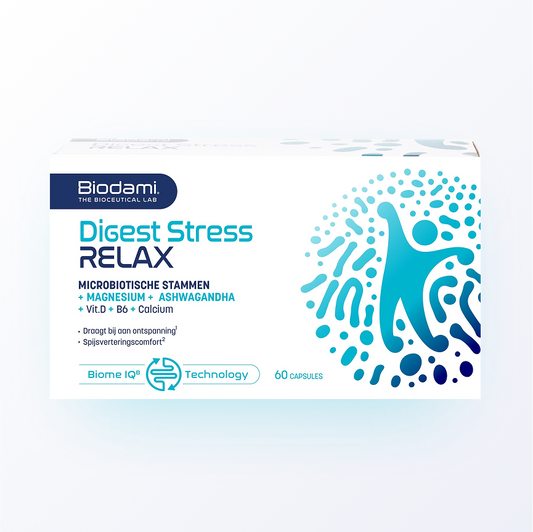
Digest Stress RELAX
from- Regular price
- €34,95
- Promotional price:
- €34,95
- Regular price
-
€69,32 - Unit price
- per
-
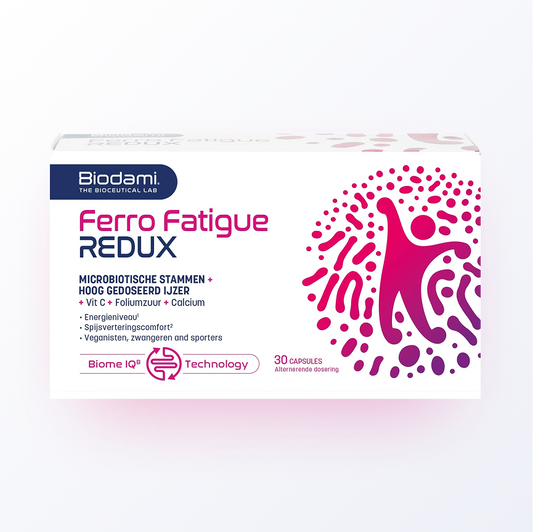
Ferro Fatigue REDUX
from- Regular price
- €29,95
- Promotional price:
- €29,95
- Regular price
-
€118,81 - Unit price
- per
💬 Final Thoughts